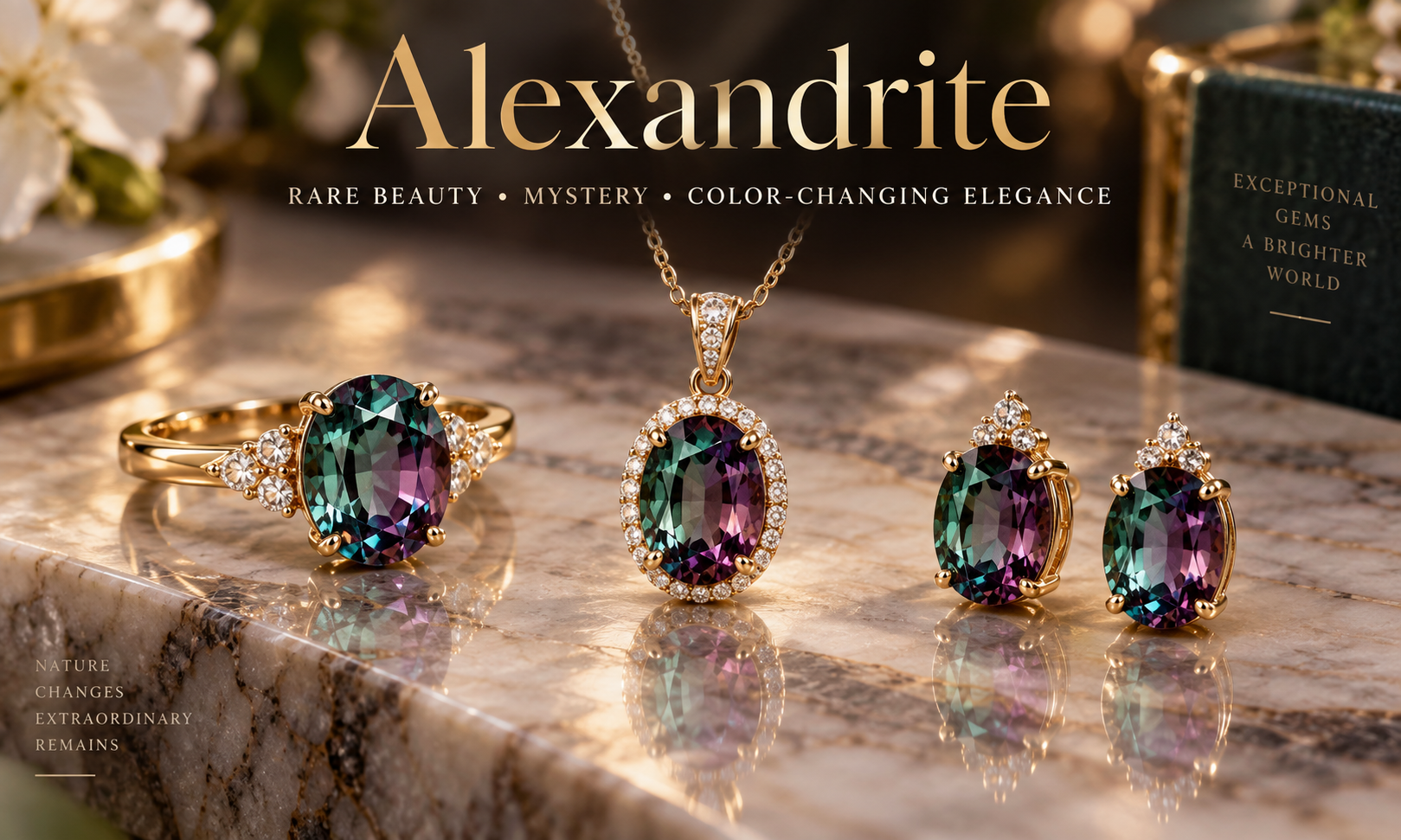
Alexandrite
Browse Alexandrite gemstone jewelry.

Browse Alexandrite gemstone jewelry.
.png)
Browse Amethyst gemstone jewelry.
.png)
Browse Aquamarine gemstone jewelry.
.png)
Browse Bloodstone gemstone jewelry.
.png)
Browse Emerald gemstone jewelry.
.png)
Browse Garnet gemstone jewelry.
.png)
Browse Jade gemstone jewelry.
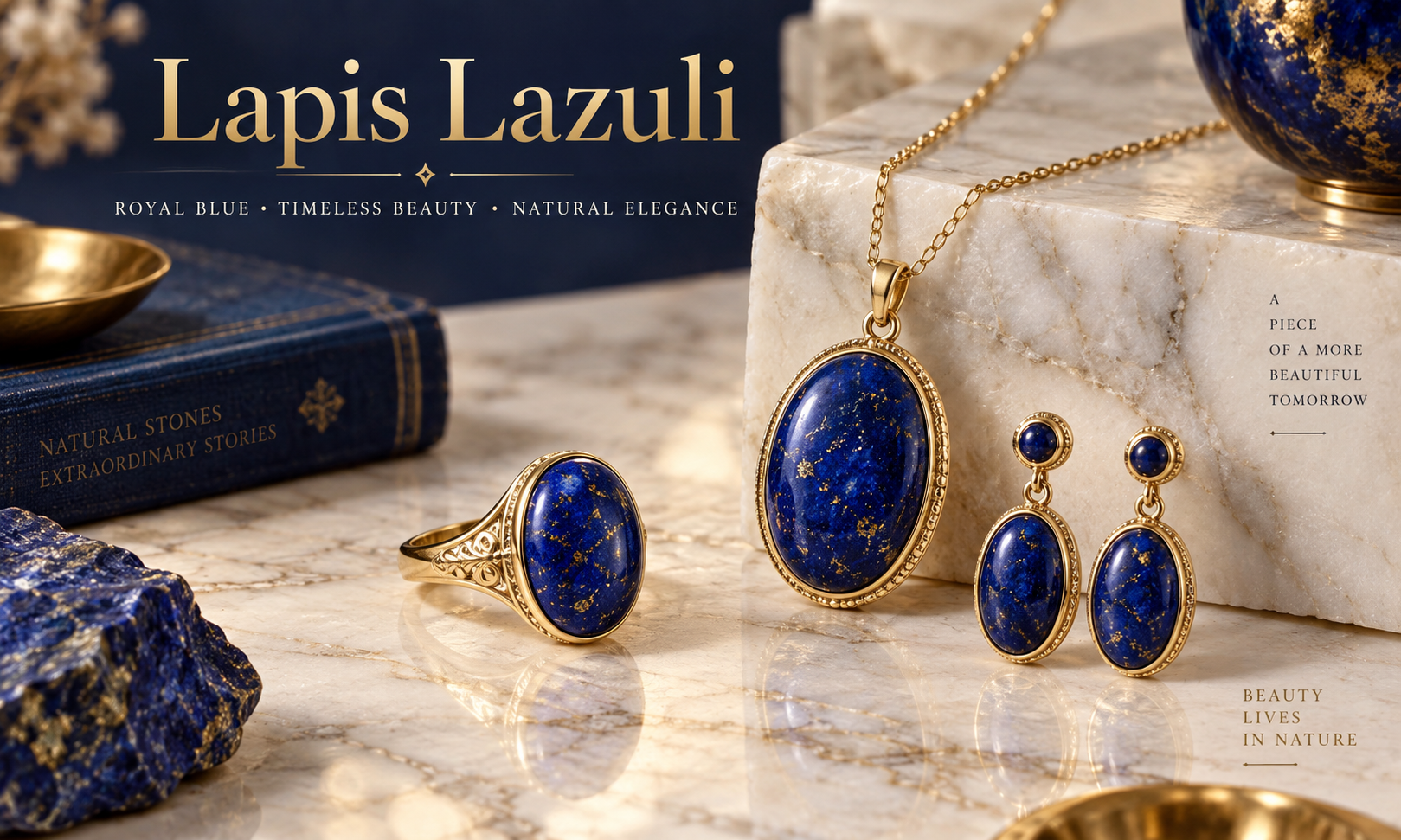
Browse Lapis Lazuli gemstone jewelry.
.png)
Browse Opal gemstone jewelry.
.png)
Browse Onyx gemstone jewelry.
.png)
Browse Pearl jewelry.
.png)
Browse Ruby gemstone jewelry.
.png)
Browse Sapphire gemstone jewelry.
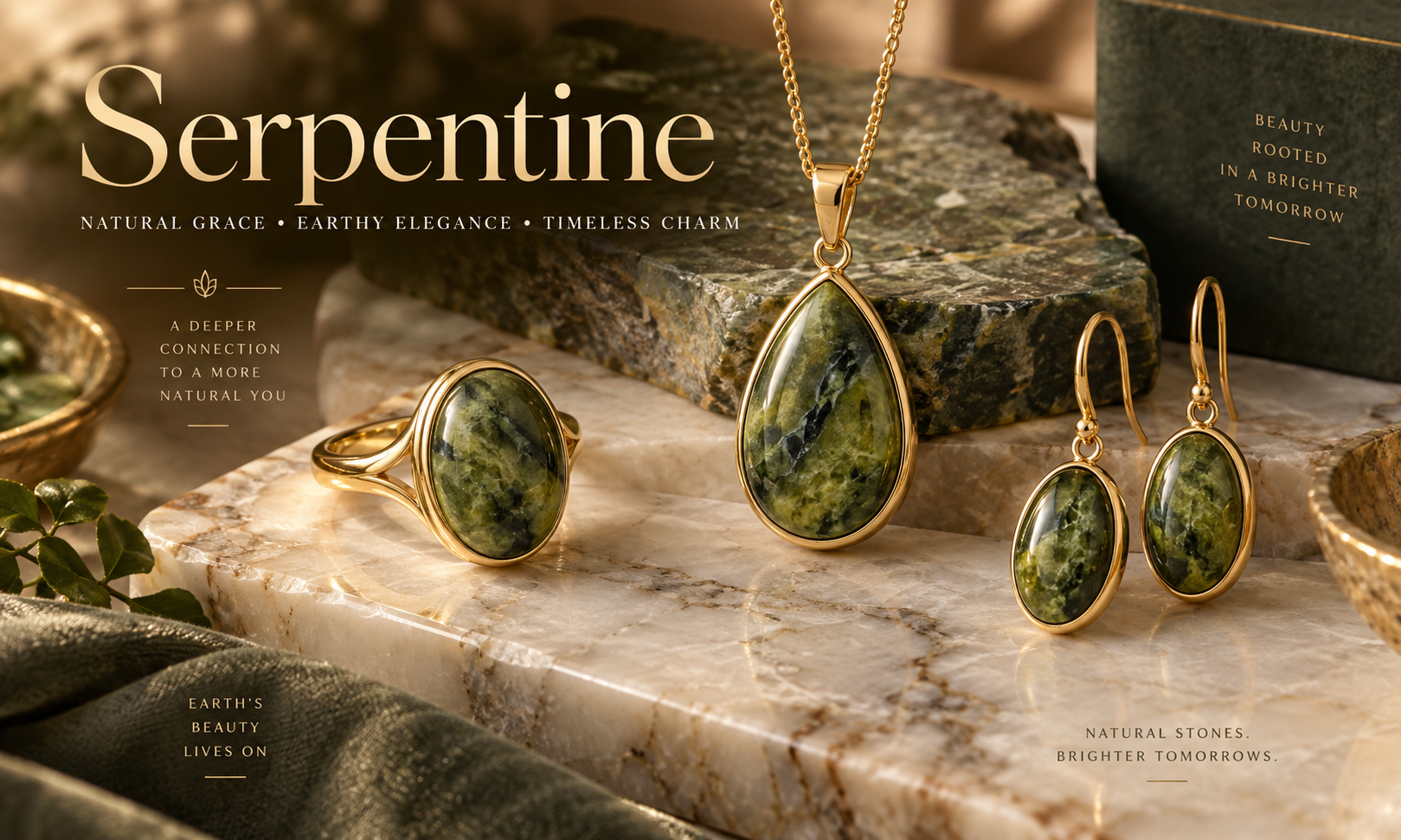
Browse Serpentine gemstone jewelry.
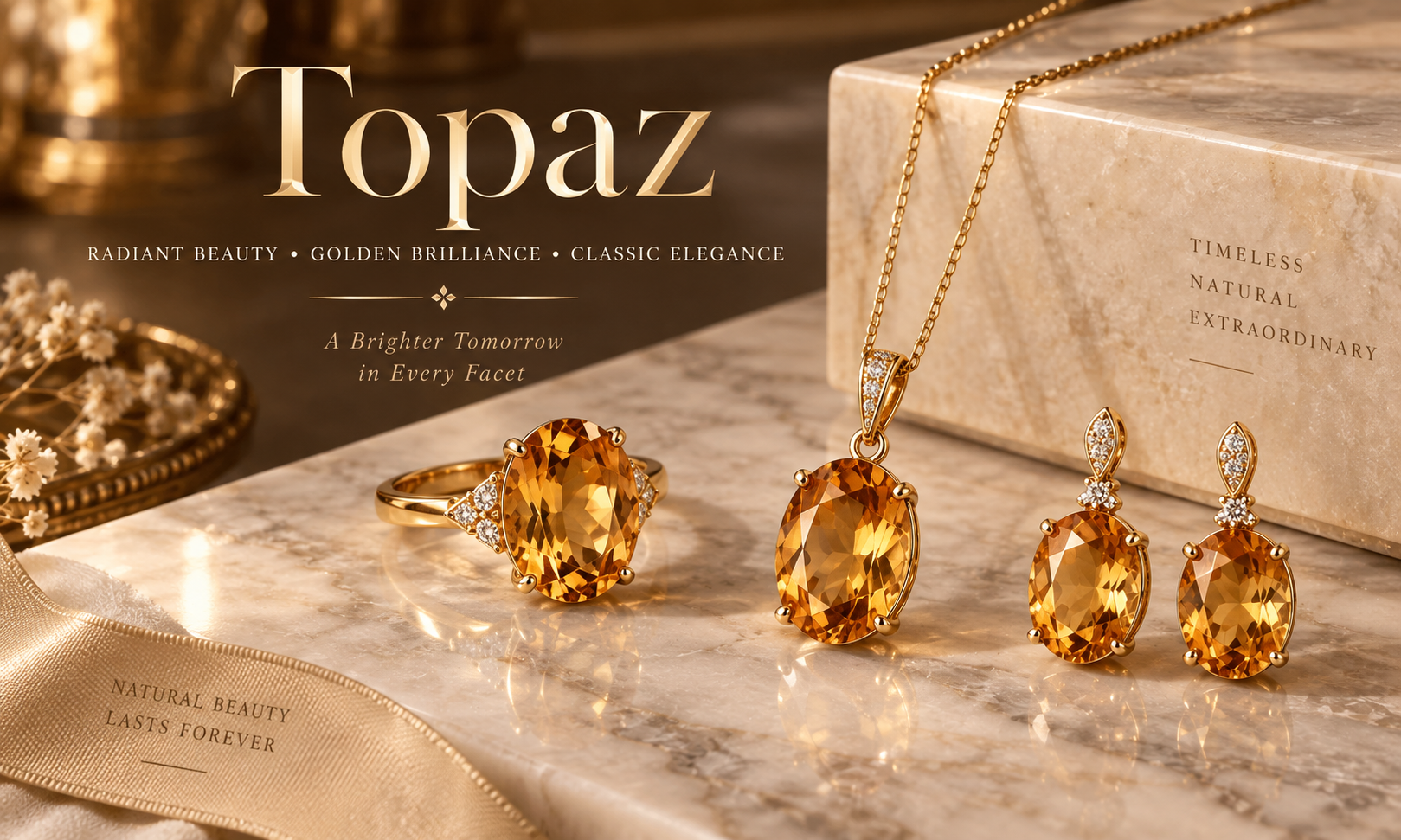
Browse Topaz gemstone jewelry.
.png)
Browse Turquoise gemstone jewelry.
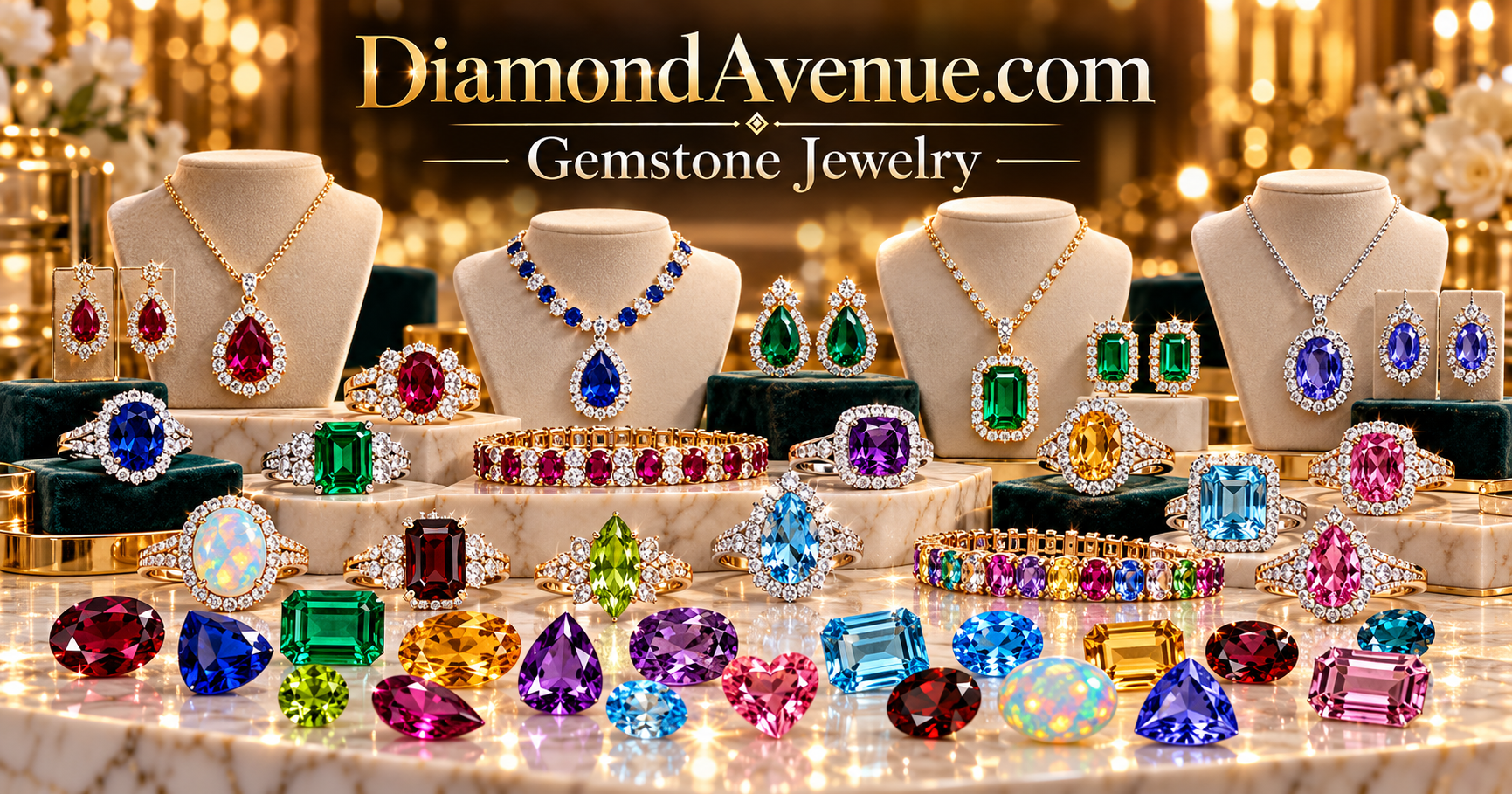
Gemstone jewelry offers an extraordinary range of colors, styles and price points. Sapphires, rubies, emeralds, garnets, amethysts, aquamarines, topaz, opals, tourmalines, pearls and many other gems can create jewelry that is very different in appearance, durability and value.
Before buying, it is important to understand exactly what gemstone you are considering, whether it is natural or laboratory-grown, whether it has been treated, how durable it is, how well it has been cut and set, and whether the seller provides clear documentation and a reasonable return policy.
Unlike diamonds, colored gemstones do not share one universal grading system. Quality and value can depend heavily on the individual gem variety, making informed comparison especially important.
Start by identifying the gemstone species and variety. Ruby and sapphire, for example, are both varieties of corundum, while emerald and aquamarine are varieties of beryl.
Do not rely only on a color name such as "blue stone," "green stone" or "birthstone." The sales description should clearly identify the gem material being sold.
Determine whether the gemstone is natural, laboratory-grown or an imitation. A laboratory-grown gemstone can have essentially the same chemical composition and crystal structure as its natural counterpart, but it was manufactured by humans rather than formed in nature.
An imitation or simulant may resemble another gemstone in appearance but is a different material. The seller should represent these distinctions clearly.
Many colored gemstones are routinely treated to improve their color, clarity or appearance. Treatments may include heat treatment, oil or resin filling, fracture filling, irradiation, diffusion, dyeing and surface coating.
Some treatments are widely accepted and stable, while others can affect value, durability and care requirements. A treated stone is not automatically a poor choice, but the treatment should be disclosed so the buyer can make an informed comparison.
Heat, steam, ultrasonic cleaning, chemicals or prolonged light exposure can affect certain gemstones or treatments.
Before buying, ask whether the jewelry requires special cleaning or repair precautions.
For many colored gemstones, color is the most important visual quality factor. Consider hue, tone and saturation as well as whether the color appears attractive and reasonably even across the stone.
The most desirable color differs from one gemstone variety to another, so avoid assuming that darker always means better.
Colored gemstones can contain inclusions, fractures and growth features. Acceptable clarity depends greatly on the type of gem.
Some gems are commonly expected to contain visible inclusions, while others are more often seen with high transparency. Look for inclusions that affect beauty, transparency or durability rather than demanding that every gemstone be flawless.
A good cut can enhance color, brilliance and overall appearance. Examine the stone for pleasing proportions, symmetry and polish.
Extremely deep or shallow stones may hide weight, appear smaller than expected or show unattractive dark or washed-out areas when viewed face-up.
Carat is a measure of weight, not visible size. Two gemstones of the same carat weight may appear very different in size because gem materials have different densities and because cutting proportions vary.
Compare millimeter dimensions as well as carat weight, especially when shopping online.
Larger fine-quality gemstones may be considerably rarer than smaller stones of the same variety. As a result, price per carat can increase as size increases.
This effect varies widely by gemstone, so compare stones of similar type, quality and size rather than using one price-per-carat rule for every gem.
Durability is especially important in rings because rings are frequently exposed to impact and abrasion. Hardness measures resistance to scratching, while toughness describes resistance to chipping and breaking. These are different properties.
Ruby and sapphire are relatively durable choices for frequent wear. Other gems, including emerald, opal, tanzanite and many organic gem materials, may require more careful handling.
A gemstone that may be vulnerable in an everyday ring can still be an excellent choice for earrings, pendants, necklaces or occasional-wear jewelry where it receives greater protection.
The setting should hold the gemstone securely while complementing its color and shape. Prong settings can expose more of the stone to light, while bezel and halo designs may provide additional protection around vulnerable edges.
Pear, marquise and other pointed shapes may benefit from settings that protect their tips. Fragile or highly included gems may also benefit from more protective designs.
Make sure the stone sits securely and that prongs are even and substantial enough to protect the gem. Check for loose stones, bent prongs, rough edges and poor alignment.
In multi-stone jewelry, inspect how well the stones match in color, size and overall appearance.
Yellow gold, white gold, rose gold and platinum can influence how a gemstone's color appears. White metals can create a cool, neutral contrast, while yellow or rose gold can add warmth.
Consider metal purity, durability, maintenance and personal preference. If the jewelry will be worn frequently, pay attention to the strength of chains, clasps, prongs and other components as well as the beauty of the center stone.
In earrings, bracelets, necklaces and multi-stone rings, examine how well the gemstones match in color, tone, size, cut and brightness.
Perfect matching is not always necessary, especially in intentionally graduated or multicolored designs, but obvious unintended differences may affect the look and value of the jewelry.
Many gemstone jewelry designs use diamonds as accents. When comparing such pieces, look at the quality, total carat weight and setting of the diamonds in addition to the center gemstone.
The advertised total carat weight may include many small accent stones, so read the product description carefully.
For an important or unusually valuable gemstone, an independent gemological laboratory report can provide useful information about the gem's identity, whether it is natural or laboratory-grown, and detectable treatments.
For certain gemstones, laboratory reports may also provide an opinion about geographic origin when it can be determined.
A laboratory report identifies and describes a gemstone. An appraisal assigns a monetary value for a particular purpose, such as insurance.
They serve different purposes and should not be confused.
Online photographs may be enlarged and lighting can affect apparent color. Review several images or videos when available and compare the actual millimeter dimensions listed by the seller.
Remember that computer and phone screens can display color differently, so the gemstone may not look exactly the same in person.
A reasonable inspection and return period is especially valuable when buying gemstone jewelry online. Find out how long you have to return the item and whether shipping, insurance or restocking charges apply.
Also determine whether ring sizing, engraving, customization or special orders make the item nonreturnable.
Look for a seller that provides a clear description of the gemstone, metal, dimensions, carat weight, treatment status when applicable, return policy, warranty and shipping procedures.
For substantial purchases, review the seller's business identity, customer service information and independent customer feedback. Use a secure and traceable payment method, and confirm that valuable jewelry is shipped by an appropriately insured method.
Gemstone care is not one-size-fits-all. Some stones tolerate routine cleaning methods well, while others can be damaged by heat, steam, ultrasonic cleaners, chemicals or sudden temperature changes.
Ask for care instructions appropriate to the specific gemstone and any known treatment.
Settings, prongs, clasps and chains can wear over time even when the gemstone itself remains in good condition.
Periodic inspection by a qualified jeweler can help identify loose stones, worn prongs and other problems before a gemstone is lost.
Gemstone jewelry should ultimately appeal to you. Beauty and personal preference matter, but an informed buyer also considers identity, treatment, durability, craftsmanship, documentation and seller policies.
The best value is not necessarily the largest gemstone or the lowest advertised price. It is a piece of jewelry whose gemstone, setting, quality and care requirements fit your expectations, lifestyle and budget.